Live: May 20, 2026 @ 7:00 pm CST / 8:00 pm EST

Recording available after event

Webinar Description

Ageism is pervasive in society and healthcare—and often goes unrecognized in everyday clinical practice. This webinar explores how ageist beliefs, language, and systems shape the care of older adults and influence health outcomes. Designed for physical therapists and physical therapist assistants across practice settings, the session examines the forms and consequences of ageism in clinical care and challenges participants to move beyond awareness toward anti‑ageist practice. Using evidence, reflective exercises, and clinical case examples, participants will learn how to apply age‑friendly frameworks to center what matters most to older adults, reduce bias, and deliver more equitable, person‑centered physical therapy care.

Learning Objectives

  • Identify personal assumptions about aging and their impact on clinical practice.

  • Define ageism and its four forms as they relate to healthcare and physical therapy.

  • Recognize common ageist practices in physical therapy.

  • Describe the effects of ageism on health outcomes and healthcare utilization in older adults.

  • Apply principles of anti‑ageist practice to clinical interactions and decisions.

  • Integrate age‑friendly frameworks into physical therapy evaluation and planning.

Presenter

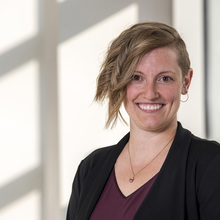
Jessica Donovan

PT, DPT, MPH

Jess Donovan is an outpatient physical therapist and Director of the Geriatric Physical Therapy Residency Program at The Ohio State University Wexner Medical Center. She also serves as an Assistant Clinical Professor in OSU’s Division of Physical Therapy. A board-certified Geriatric Clinical Specialist and graduate of OSU’s Geriatric Residency, Jess has practiced across home health, skilled nursing, and outpatient care. Since transitioning to OSUWMC full time in 2020, she has completed her MPH and contributed to multiple quality improvement initiatives. Her work focuses on advancing educational and health equity, developing future geriatric specialists, and improving care for older adults through clinical practice, systems-level improvement, and professional education.